
It’s tempting to modernise an older home by painting everything white, squaring off its arches or ripping out anything that looks dated. But some of the features homeowners are quickest to remove are precisely what give a property its character, and may be difficult or expensive to recreate.
Before you begin renovating, here are the original features worth keeping, based on when your home was built.
1
Victorian and Federation details
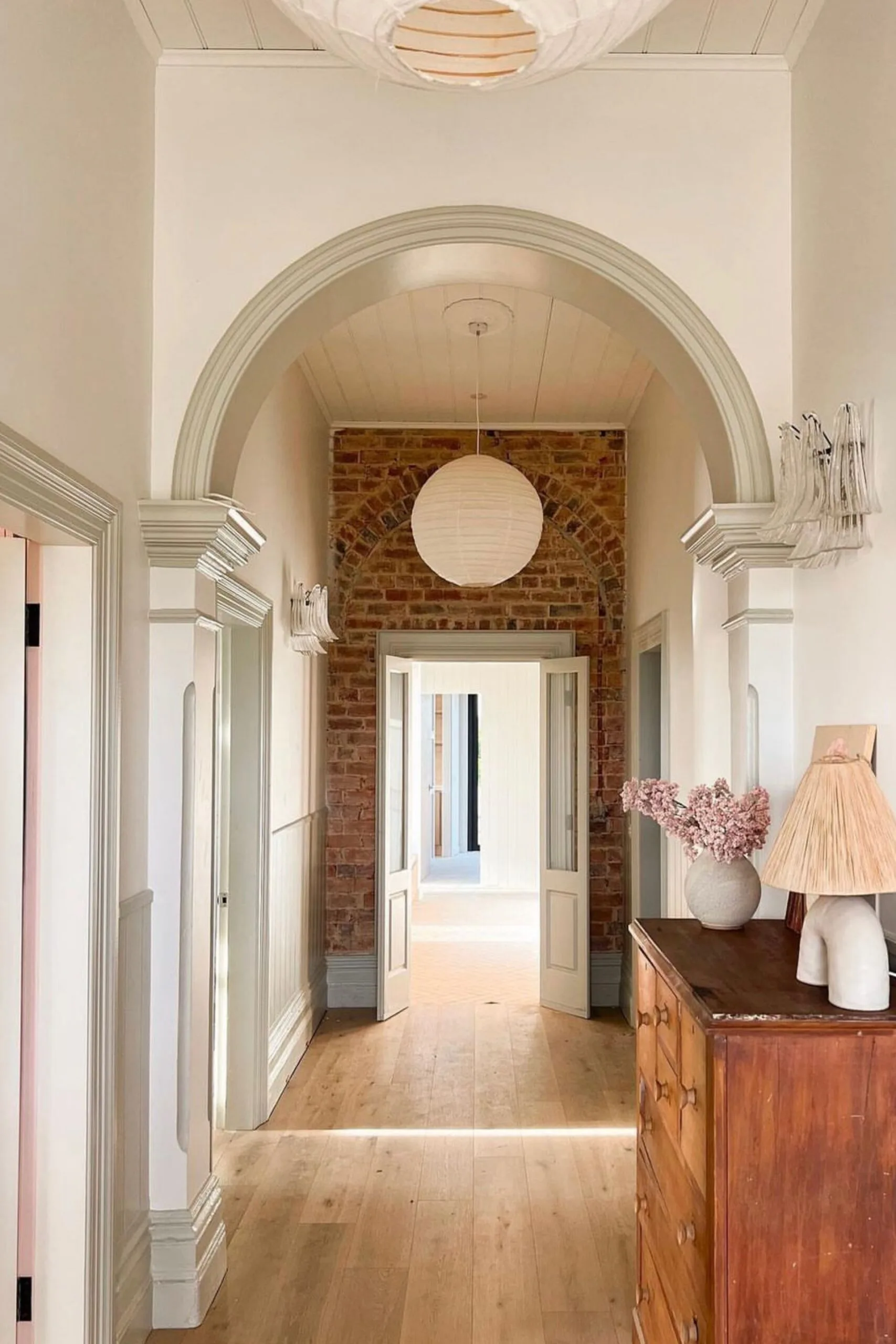
In the Victorian (1840s-1900) and Federation (1890-1915) eras, decoration was everything. Cast-iron lacework, elaborate architraves and museum-worthy ceiling roses ruled. Even bricks were laid in pretty patterns. Today, these are the houses that ask the most of their owners and give the most back.
When The Block alumni Josh and Jenna Densten bought a dilapidated 1880s house in Rutherglen, Victoria, off Facebook Marketplace, it was missing a roof. Render was falling off its 3.6m walls, the timber verandah had been concreted over, and the fireplaces were boarded up.
The couple brought the brick shell and 1.4ha property back to life, keeping what heritage features they could salvage, such as the arched brick fireplaces and a century-old vine.
“It would have been a crime to get rid of all that history,” Josh says.
“Retain or reinstate picture rails – they’re ornamental and useful! Many contemporary plaster businesses can replicate heritage cornices and ceiling roses, too.” — Josh and Jenna Densten
2
Interwar features
Between 1915 and the 1940s, Australia fell in love with the Californian bungalow, embraced Art Deco and had a brief fling with Spanish Mission style. If your home has casement windows with decorative stained glass, panelled ceilings or dark timber features, it’s worth holding onto.
Another hallmark of this era, the deep verandah under a gabled roof, was as much about community as keeping the home cool.
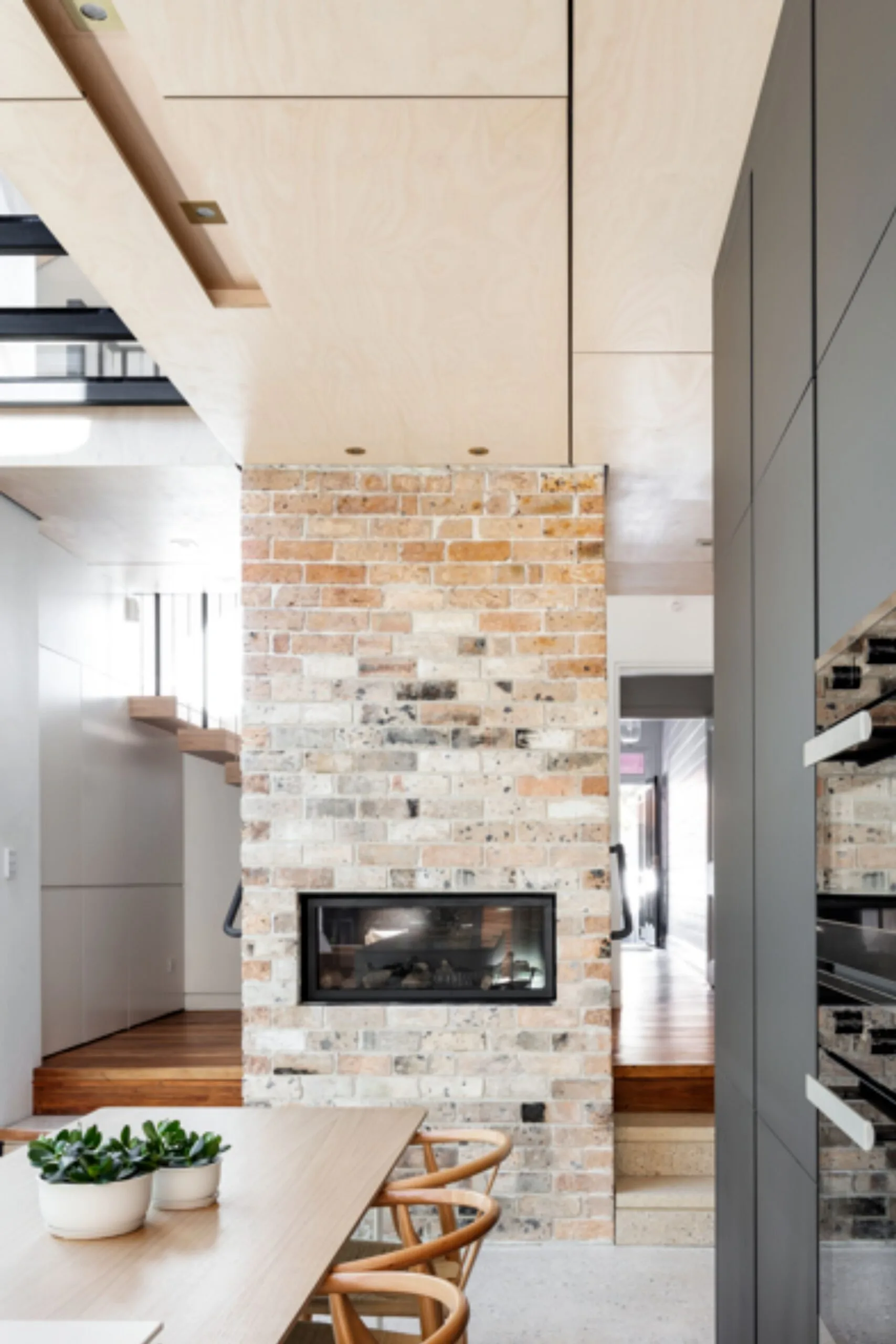
Constraints that may feel like a hindrance at first can turn out to be something wonderful. In one of the Northern Beaches semis, for example, architect Jo Gillies planned to swap out an old fireplace for stairs leading to a new addition—until the plasterboard came off.
“We discovered the most stunning brick underneath,” she recalls. “We were so excited that we preserved it, redesigning the stairs around it.”
PRO TIP: “Rather than fight the darkness of a formal front room, lean into it with a rich paint colour and sumptuous furniture, making it snug and nurturing.” — Jo Gillies, architect
3
Mid-century features
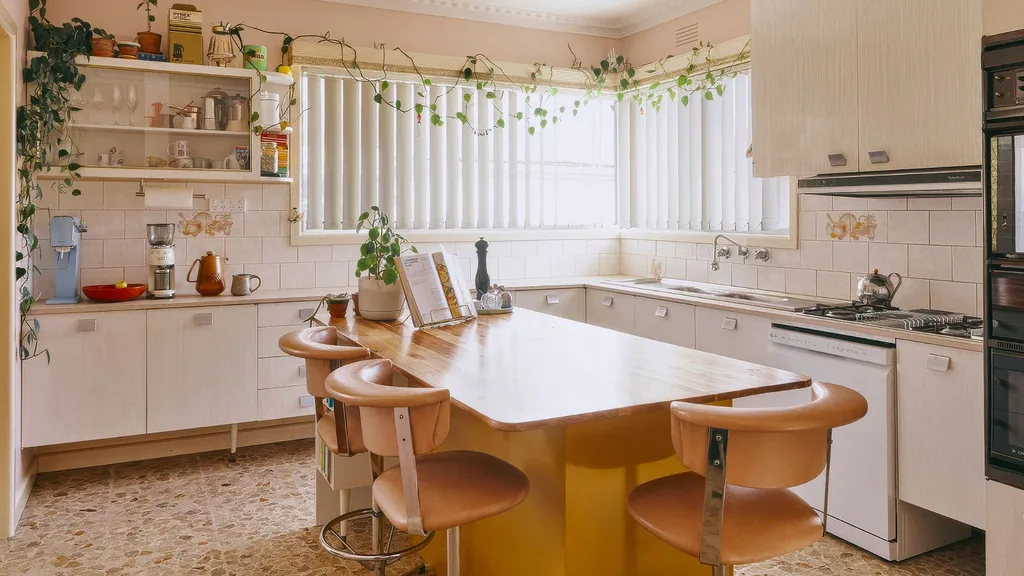
From the 1950s onwards, Australians threw open their doors and windows, ditching formal spaces and letting in the sunshine. Glass and breeze blocks reigned, roofs were flattened, and stone features were highlighted, not hidden.
Interiors boldly turned yellow, green, teal, blue, orange, red, brown… all the colours. Shag pile was plonked in almost every room (yep, even bathrooms) and trippy patterns dominated tile and textile design.
Not all Mid-Century Modern features are redeemable—popcorn ceilings, materials containing asbestos and mission-brown paint won’t be missed.
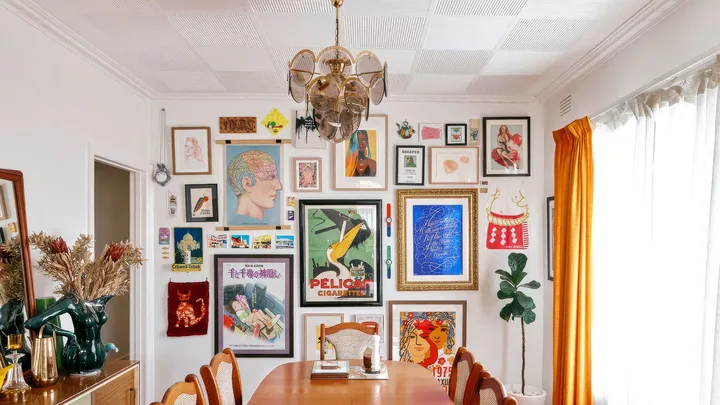
But Mete Erdogan and Georgia Frances King have embraced the original features of their 1969–70 Melbourne home, including its flock wallpaper, bottle-glass doors, orange leather bar and five types of terrazzo.
“When these houses were built, resale value probably didn’t register like it does today,” Mete says. “People just made homes they’d feel comfortable in, with crazy wallpaper or carpet choices.”
PRO TIP: “Facebook Marketplace and home contents auctions are mid-century treasure-troves. If you find something good online, click through to the seller’s profile for other items they’re offloading.” — Mete Erdogan
4
Features from the 1980s, ’90s and noughties
It may have been fizzed with frilly curtains, corner spa baths and excessive downlights, but the architecture of the 1980s through to the noughties has merit.
“There was real innovation in the 1980s, for example, including the open-plan, split-level concept,” says architect Jo Gillies. “It breaks up the dynamic of the spaces and allows extra light in at different angles; a cool hangover from the 1970s.”
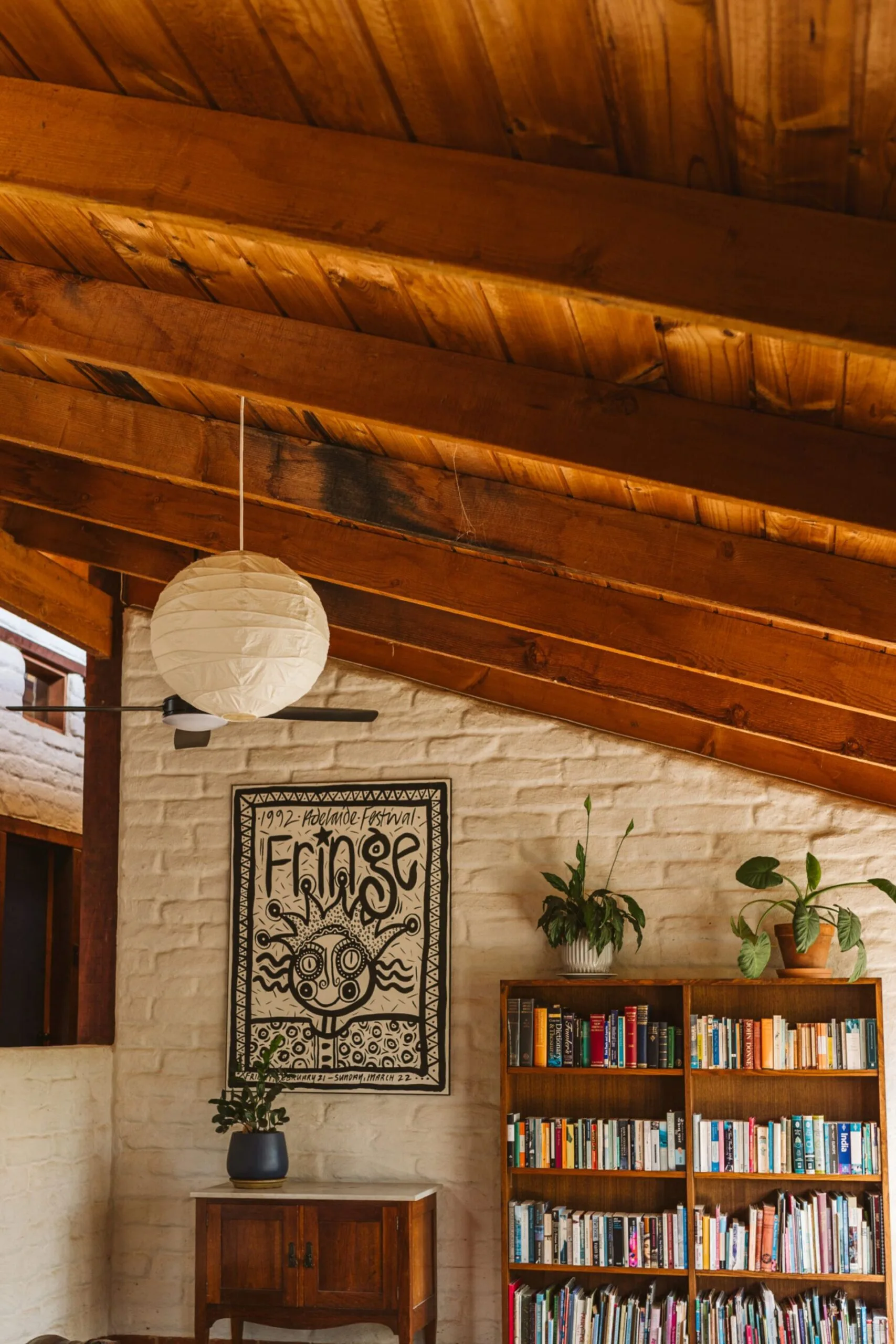
Glass bricks, terracotta, arches and pastel laminate have spent 30 years at the bottom of renovation wish lists, but they’re back (don’t square off those arched doorways just yet).
Textured paint finishes are trending again, so reconsider the hand-sponged walls you may have inherited. Timber-lined walls and ceilings now read as ‘ski chalet’ and ‘ranch chic’, and natural materials never go out of style.
PRO TIP: “If the bones of the house are good, rethink the floor plan before you consider a knockdown rebuild.” — Jo Gillies, architect

Related stories

Native ad body.
Native ad body.

Native ad body.