
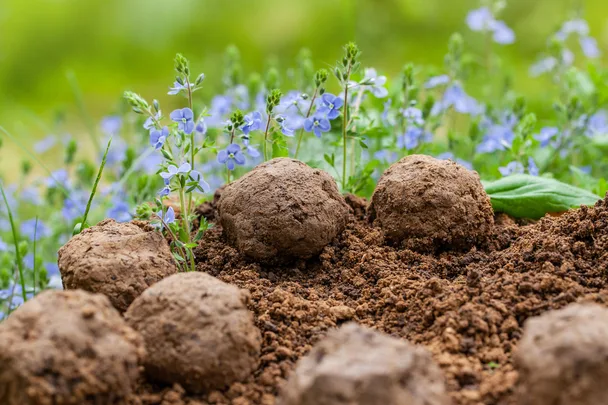
Seed bombs have been used for years to restore native vegetation in degraded landscapes.
All you have to do is throw the seed bomb and wait for it to grow.
What is a seed bomb?
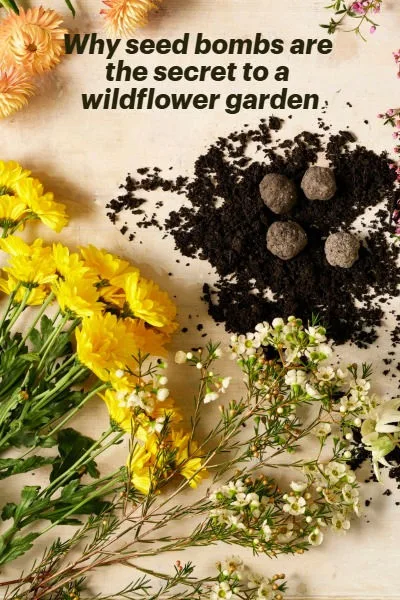
A seed bomb, or a seed ball or grenade, is a small ball made of clay, compost, and seeds. The ingredients are rolled or moulded into a compact sphere, designed to be thrown or scattered onto bare soil or areas needing vegetation.
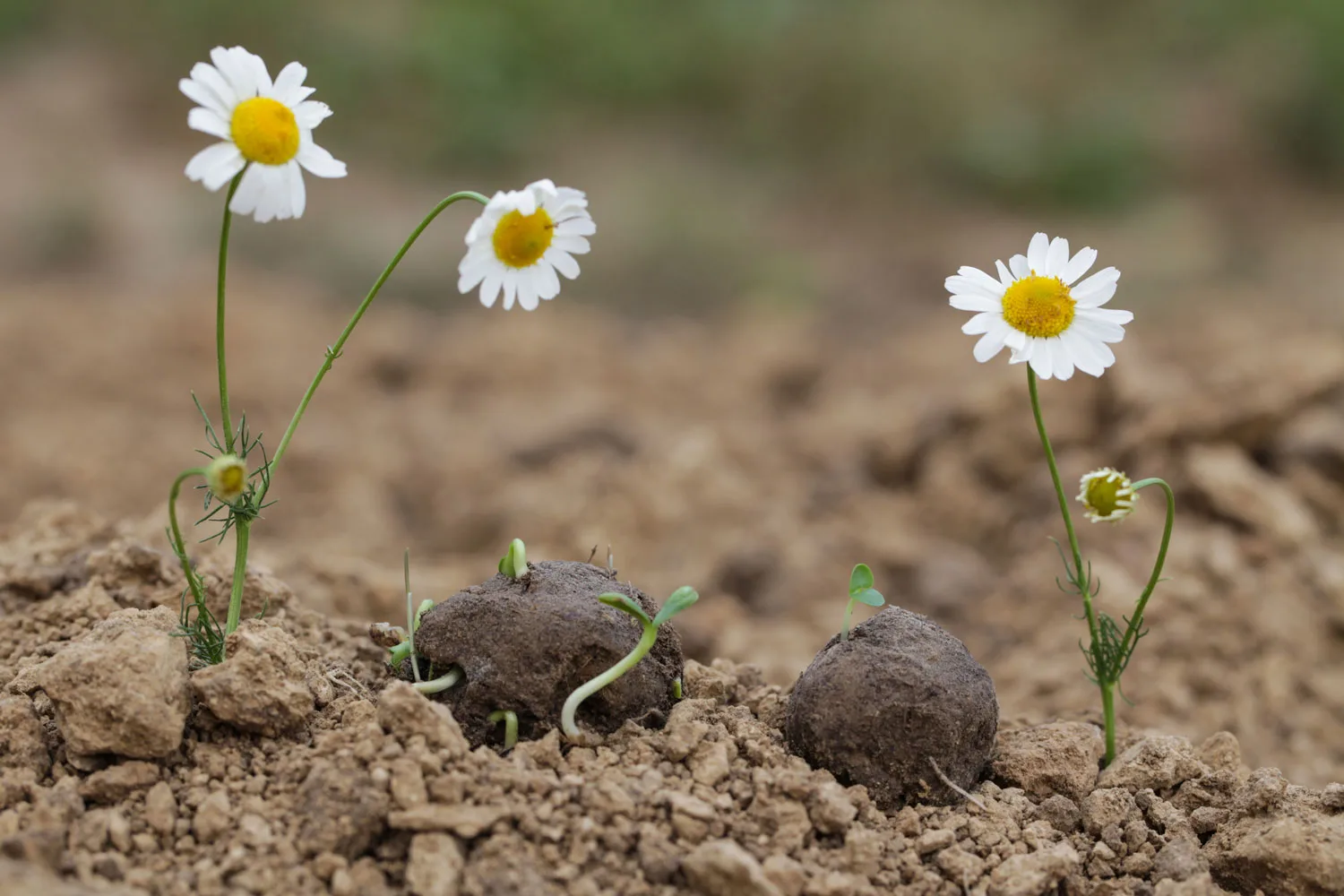
When the seed bomb meets moisture from rain or watering, the clay coating softens, allowing the seeds inside to germinate and grow. Seed bombs are often used in guerrilla gardening, reforestation, or restoring native plant species in degraded or neglected areas.
In fact, the method was even used to help rebuild koala habitats in the northern rivers after the 2020 bushfires.
How to plant a seed bomb
Planting your seed bomb is a straightforward process. Here’s a step-by-step guide:
- Choose your location: Select an area with bare soil or vegetation that needs to be planted. Ensure the site receives adequate sunlight and has suitable soil conditions for plant growth.
- Timing: Choose an appropriate time to plant the seed bomb. Planting before a forecasted rain event increases the likelihood of successful germination, as the moisture helps activate the seeds.
- Deployment: Gently toss or scatter the seed bomb onto the targeted area. You can also press the seed bomb lightly into the soil.
- Watering: If it’s not forecasted to rain, water the planted area thoroughly to activate the seed bomb. Ensure the soil remains moist but not waterlogged to support seed germination and plant growth.
- Monitor and maintain: Regularly check the planted area for signs of germination and emerging seedlings. Provide additional water to support plant establishment, especially during dry periods. Remove any weeds that may compete with the newly planted seeds for resources.
The best seeds for a seed bomb
The best seeds for seed bombs are annuals, which grow in all areas of Australia.
Because the continent is so large, sowing times are different. The sowing period may also be shorter in cool regions and longer in warmer areas. Check seed packets for instructions.
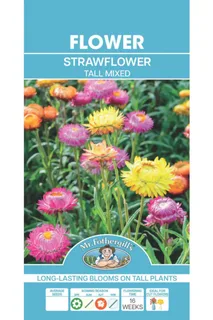
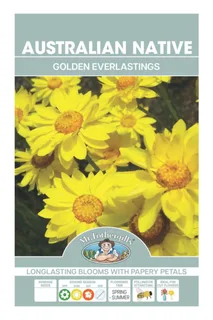
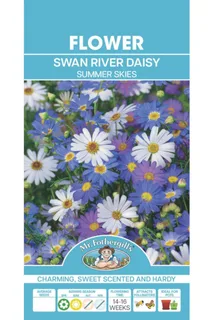
We used Mr. Fothergill’s native seed packs for building our seed bombs, creating beautiful colour and building biodiversity in the garden.

How to make a seed bomb
Gather your supplies
- Potter’s ball clay powder
- Rich compost
- Water
- Seeds (we used
Mr Fothergill’s) - Three large and one small bowl
- Large spoon
- Disposable gloves (optional)
- Drying rack
- Baking paper
- Egg cartons
Step 1
Using a large metal spoon, combine 2 parts clay to 3 parts compost in a large bowl. Make sure the compost is fine – remove any large, hard bits. The high moisture content means the compost absorbs the clay. This makes it easy to knead the mixture into a dough-like consistency.
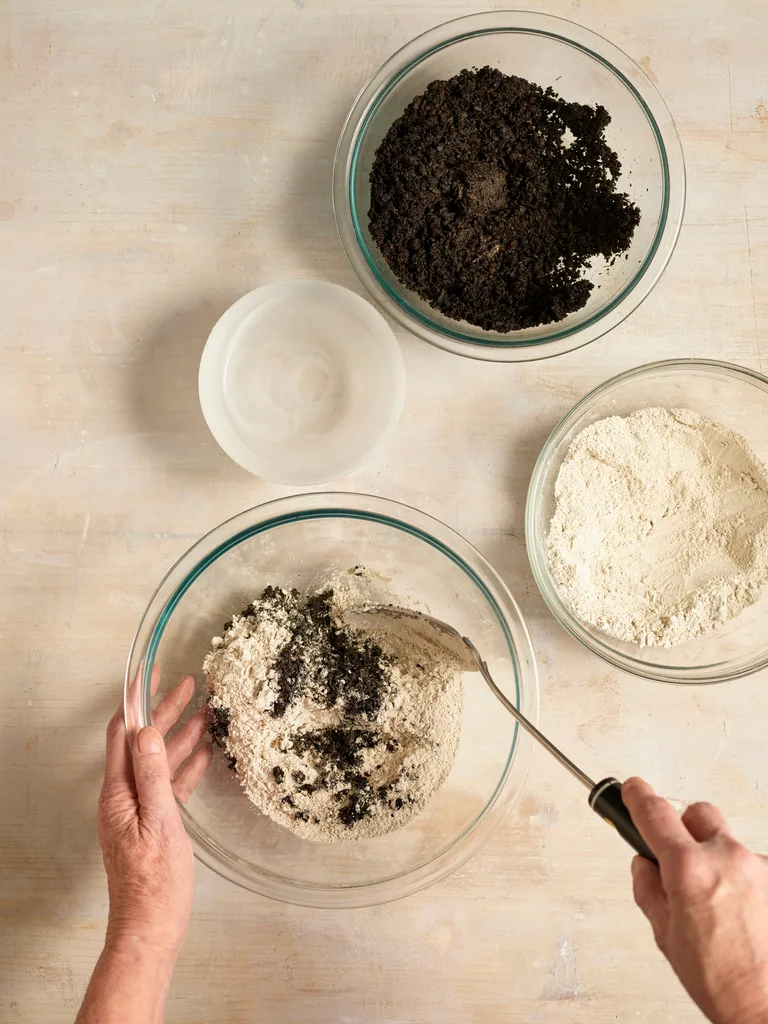
Getting the clay ratio right
Step 2
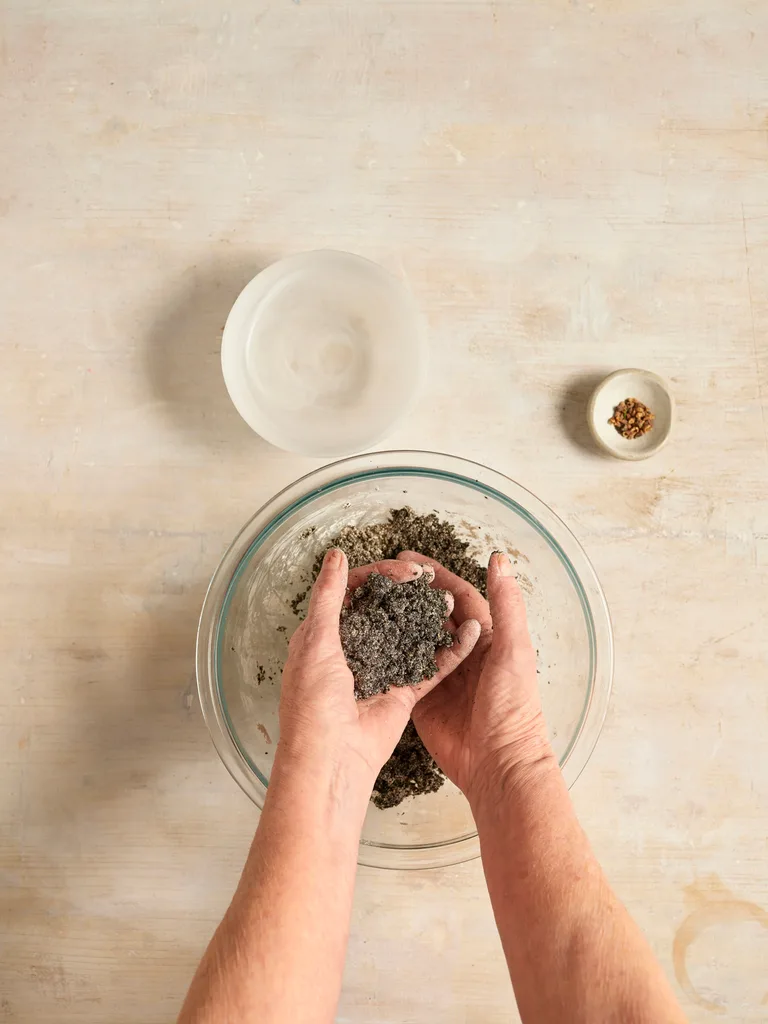
Wearing gloves (if using), take a small piece of the mixture and hold it in the palm of your hand.
Step 3
Add about four seeds to the centre.
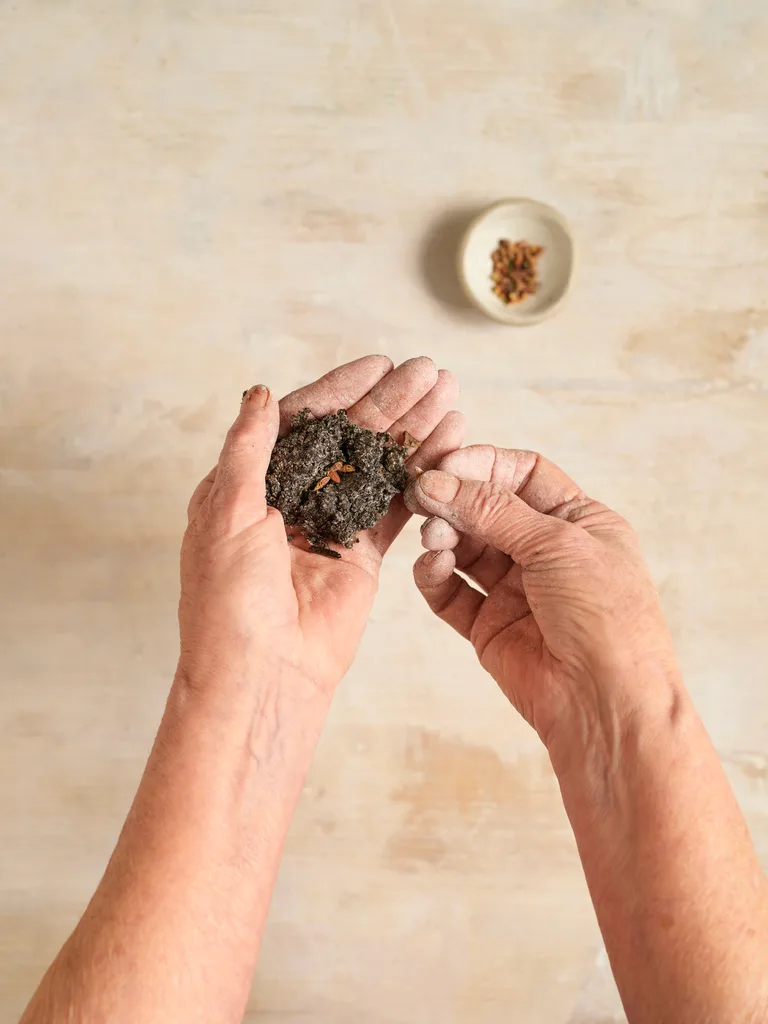
Step 4
Dip your fingers in a small bowl of water and roll the mixture in your hand to the size of a golf ball.
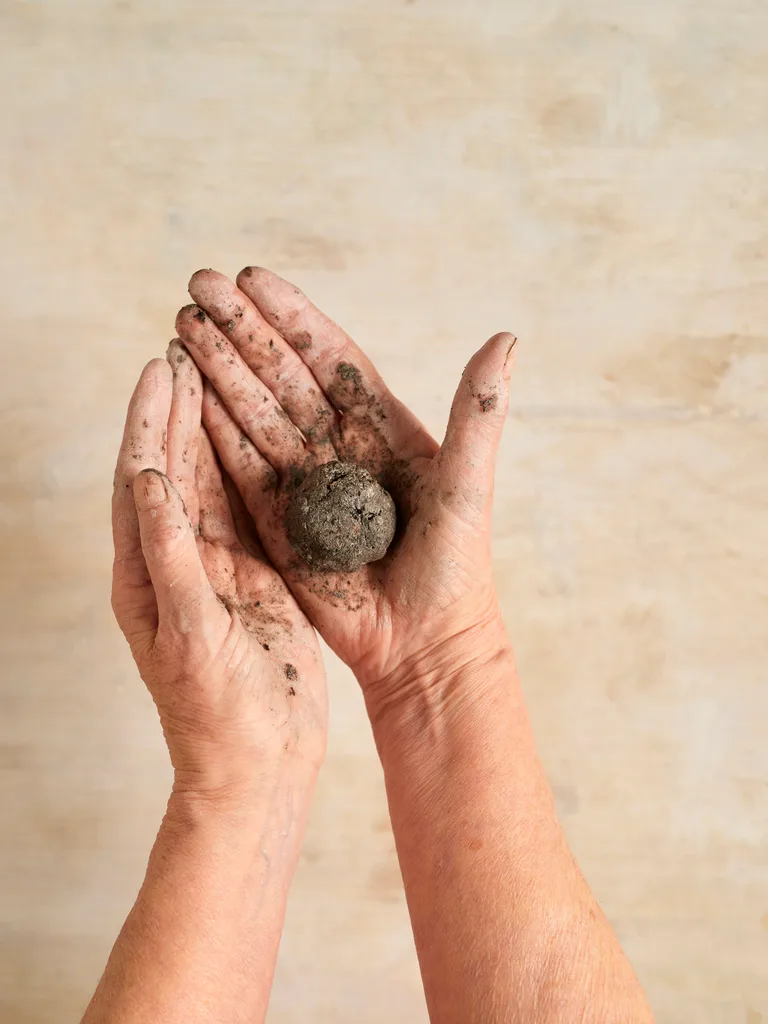
Step 5
Put balls on a rack lined with baking paper. Set aside in a warm, dry spot for about two days or until dry.
Step 6
Transfer balls to an egg carton. To prevent sprouting, store in a dry, sheltered spot until it’s time to toss them in your garden.
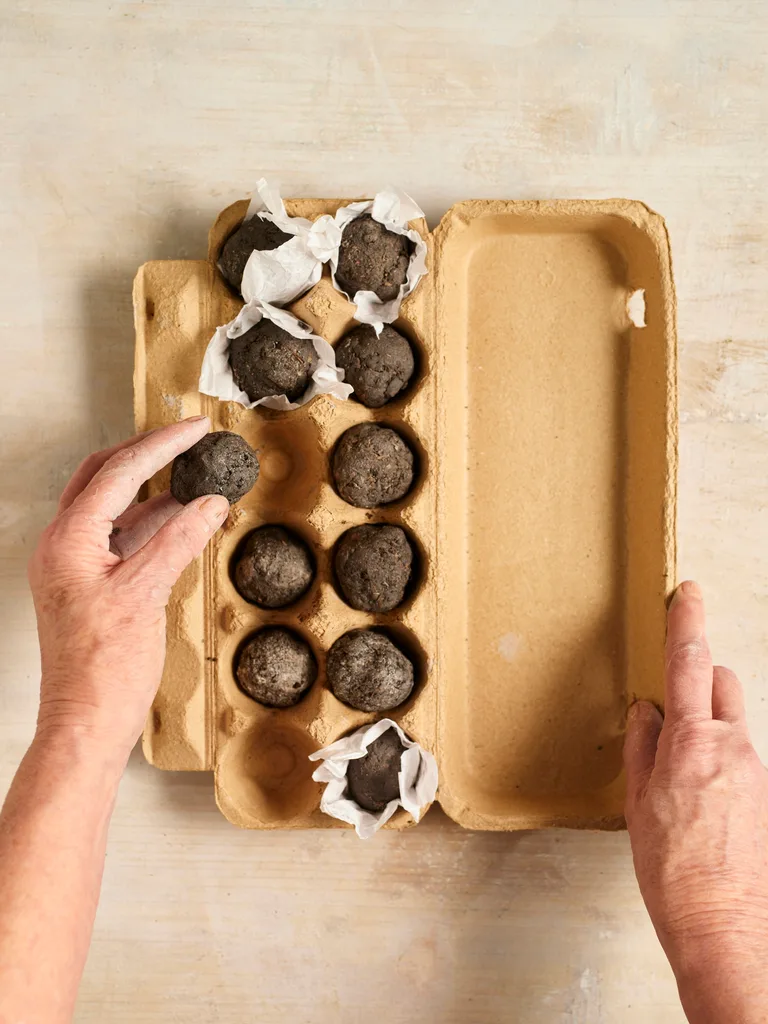
Step 7
Just before predicted rain arrives, take the balls into your garden and toss or roll them into a prepared area where you want flowers to grow. Rain moistens the clay in the bombs and they fall apart, while still protecting the seeds that will germinate with the rain. If you’re not expecting rain, water with a hose on the sprinkler setting.
Quick tip
Every seed is precious but not every seed is viable. By having just four seeds per ball, you’ll have success if two of those seeds germinate after you’ve tossed them into the garden. If you add 10 or 20 seeds to a ball and five or 10, or even 20, germinate, they won’t thrive when all are competing for the same space and nutrients.
Seed bomb benefits
Using seed bombs has several advantages over simply scattering handfuls of seeds. The clay surrounding the seeds helps protect them against hungry wildlife, shields them slightly against temperature extremes, and weighs them down so they don’t blow away in the wind. Once rain arrives to ‘explode’ the bombs, the clay and soil mixture gives the seeds the perfect start for germination.
Other benefits of seed bombs include:
- You can use seed bombs to vegetate inaccessible areas, such as slopes.
- Many seedlings don’t cope with being transplanted from seed-raising trays. These include foxgloves, paper daisies and members of the poppy family. Planting them through seed bombs doesn’t disturb their roots.
- Because of the clay content, seed bombs help improve quality and water retention in sandy soils.
- The end result is a more natural-looking wildflower or meadow garden.


Related stories
Native ad body.
Native ad body.
Native ad body.