
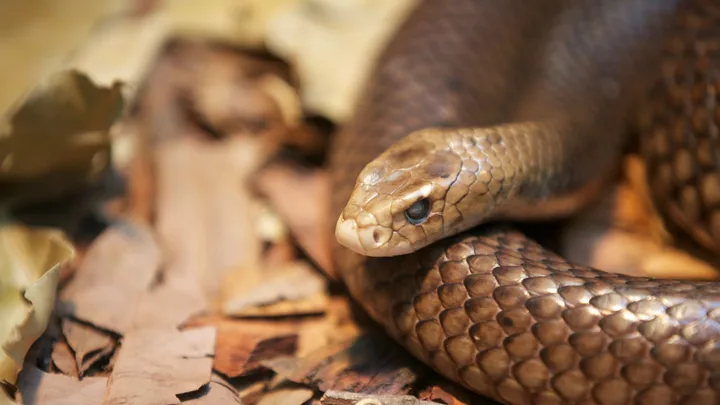
Scientists studying Australian snake venom have uncovered a surprising detail that could change how doctors treat snakebites.
The Eastern brown snake venom split
Researchers from the University of Queensland examined how Australian snake venoms affect blood clotting in animals and humans. They found the venom of the Eastern Brown Snake, one of Australia’s deadliest snakes, varies depending on the state the snake comes from.
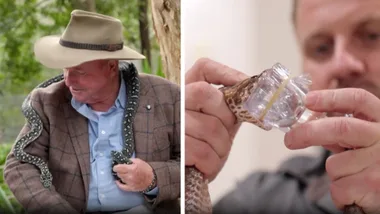
“We discovered not all brown-snake venoms are the same – meaning that lifesaving antivenom may need an urgent upgrade,” Professor Bryan Fry from UQ’s School of the Environment said in a statement.
Australia has about 3,000 snake bites each year, and Eastern Brown Snakes cause more deaths than any other type. But until now, doctors have treated all brown snake bites the same way, not knowing that the antivenoms are made from snakes from unknown places.
What made this study different
Australian snakes have venom that makes blood clot so quickly that it depletes the body’s clotting proteins, so victims can’t clot anymore. This problem can be deadly without treatment.
Earlier studies only checked how fast venom makes blood clot. This team also checked how strong those clots are. That second check showed the hidden difference.
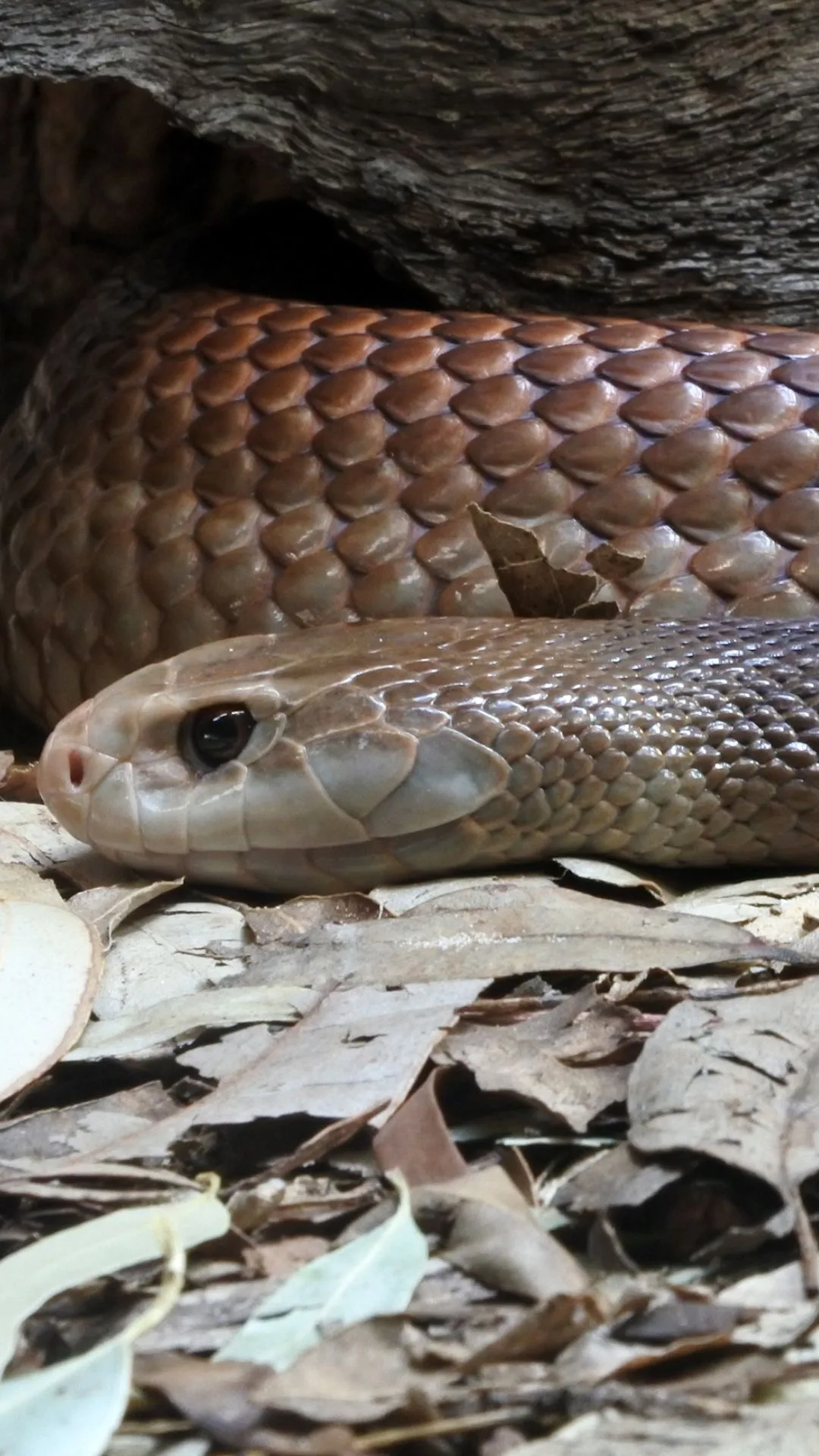
Northern vs Southern brown snakes: what’s the difference?
Most brown snake venom makes blood clot super fast, but those clots are weak and fall apart quickly. But researchers found snakes from South Australia are different – they create strong, stable clots more like their taipan cousins.
The difference is dramatic. Northern brown snakes from hot climates like Queensland cause clots that form in seconds but collapse immediately. Southern brown snakes from temperate regions like South Australia also form blood clots in seconds, but those clots remain firm and intact.
The change has probably occurred because they hunt different prey than their northern cousins.
Why does this mean for medicine?
People bitten by snakes that cause weak clots have different symptoms than those bitten by snakes that cause strong clots. A Queensland brown snake bite might act differently from a South Australian one, but current antivenoms are made from venom from unknown places and might not work the same on both types.
For the estimated 100-200 people bitten by brown snakes each year, knowing which type of snake bit them could help doctors diagnose symptoms more quickly and avoid delays in treatment.

Related stories
Native ad body.
Native ad body.


Native ad body.