

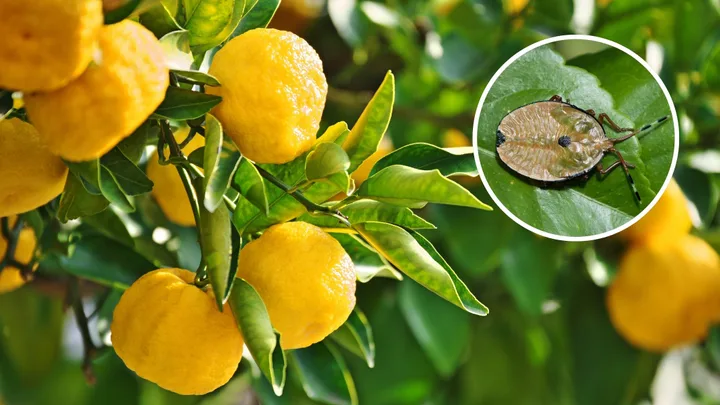
If you own citrus trees, you probably know that dealing with stink bugs is a common challenge. One of the most common varieties in Australia is officially known as “bronze orange bug” (Musgraveia sulciventris), but is commonly called a stink bug due to its foul odour.
According to the NSW Department of Primary Industries, these bugs are native pests of coastal citrus and suck sap and nutrients from trees. These smelly bugs are most commonly found in Queensland and NSW. An infestation can lead to wilted leaves and branches, dropped flowers and damaged citrus fruit.
The good news is that there are ways to deal with stink bugs. So, here’s what you need to know.


How to identify stink bugs
Before we delve into control methods, it’s essential to understand your enemy.
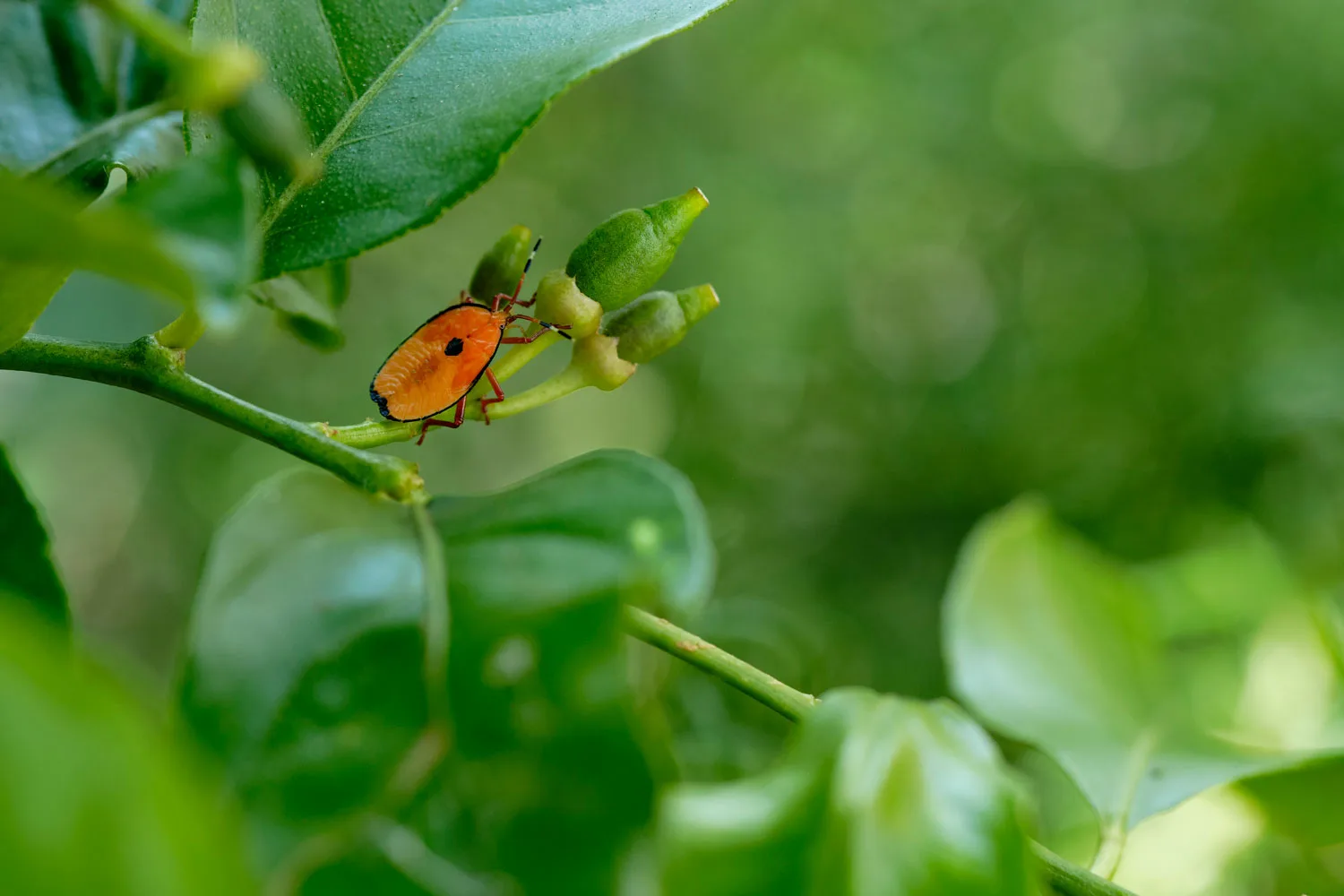
Stink bugs, also known as bronze orange bugs and shield bugs (not to be confused with the brown marmorated stink bug), are shield-shaped insects that come in a range of colours from green to brown depending on the species. They emit a distinctive, unpleasant odour when threatened, hence their name.
Why do stink bugs love citrus?
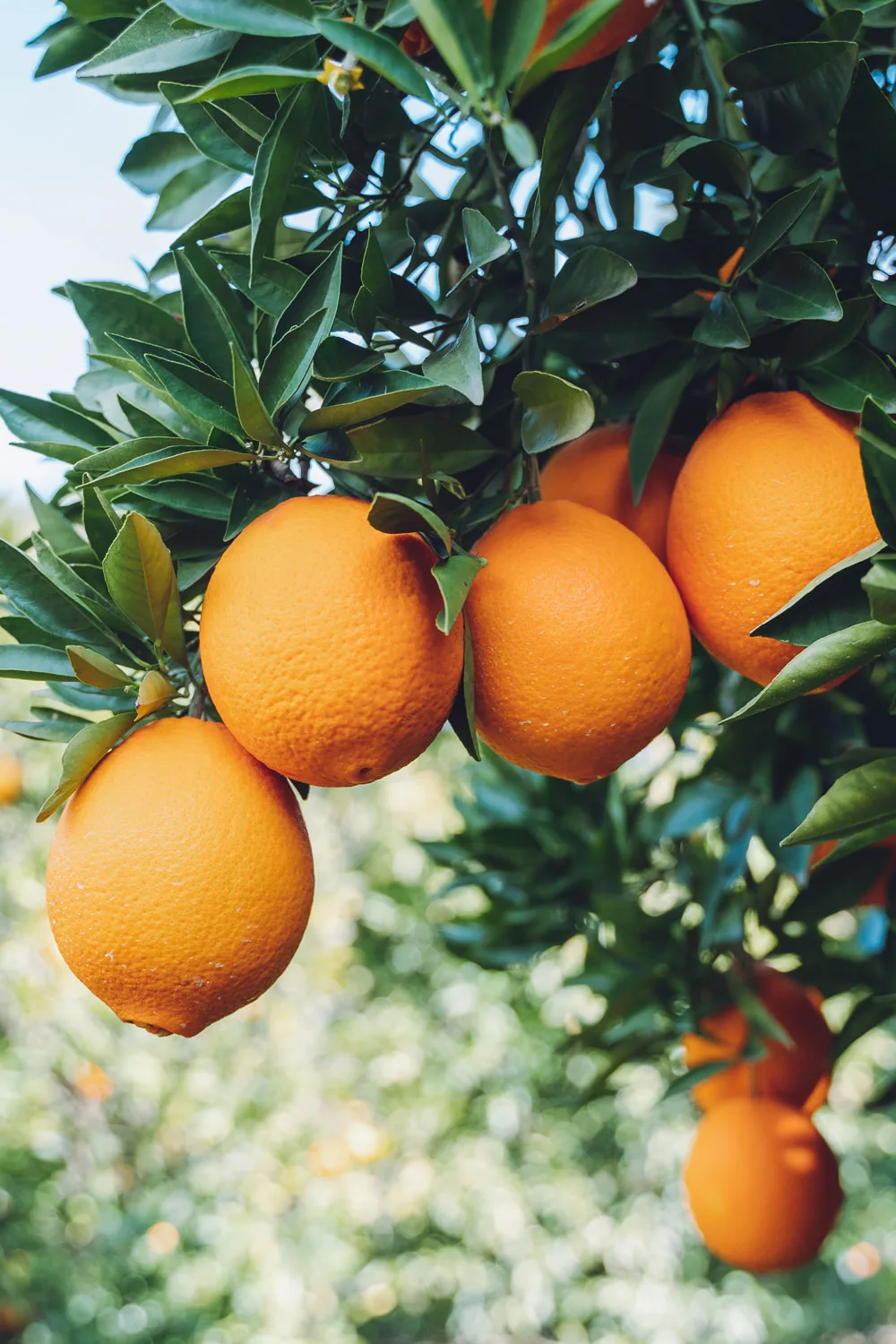
Stink bugs are attracted to the sweet, juicy goodness of citrus fruit.
They pierce the fruit’s skin and feed on the juices, leaving behind unsightly scars and damage. This can be especially frustrating for those hoping to enjoy a bountiful citrus harvest.
How to prevent stink bugs on citrus trees
It’s much better to keep stink bugs away than have to deal with an infestation, so here’s how to reduce the risk:
- Regularly inspect your citrus trees for signs of stink bug activity and remove any that show signs of infestation.
- Use fine-mesh row covers or other pest protection to protect your trees from pests.
- Remove any fallen fruit and plant debris, which can provide hiding spots for stink bugs.
Natural remedies for stinkbugs
For those who prefer eco-friendly solutions, there are also some more natural ways to deter stink bugs.
Companion plants, such as marigolds, basil, and tansy, can help repel pesky bugs if planted around citrus trees. Otherwise, you can encourage beneficial insects, such as ladybugs and parasitic wasps, which are natural predators.

Another, less enjoyable option is to remove the stink bugs physically. This is probably only an option on smaller trees, but it can be effective if you want to avoid using pesticides.
How to manually remove stink bugs
Follow these steps to remove stink bugs from your citrus plants physically:
- Wear the appropriate safety gear. For stink bugs, this includes safety goggles and long rubber gloves to protect the skin and eyes from secretions.
- Fill a container with soapy water and gently shake the bugs off the branches into it. You can also pick them off by hand, but be wary of secretions.
- Give your citrus trees a thorough trim in winter, and as summer begins, check under the leaves for any eggs. If there are eggs, remove the infested leaf and place it in the bin — the easiest method, especially if you have small trees.
Pesticide solutions for stink bugs
If stink bugs become a severe problem, you may need to resort to pesticides. Pyrethrum sprays, such as Yates Nature’s Way Citrus and Ornamental Spray, are among the most common options for controlling stink bugs on citrus trees.
However, be aware that these sprays may kill other beneficial insects you want in your garden, and you may need to adjust your harvesting schedule if you use a spray. Consult a local pest control expert for advice on safe and effective pesticides.
Harvesting fruit with stink bugs
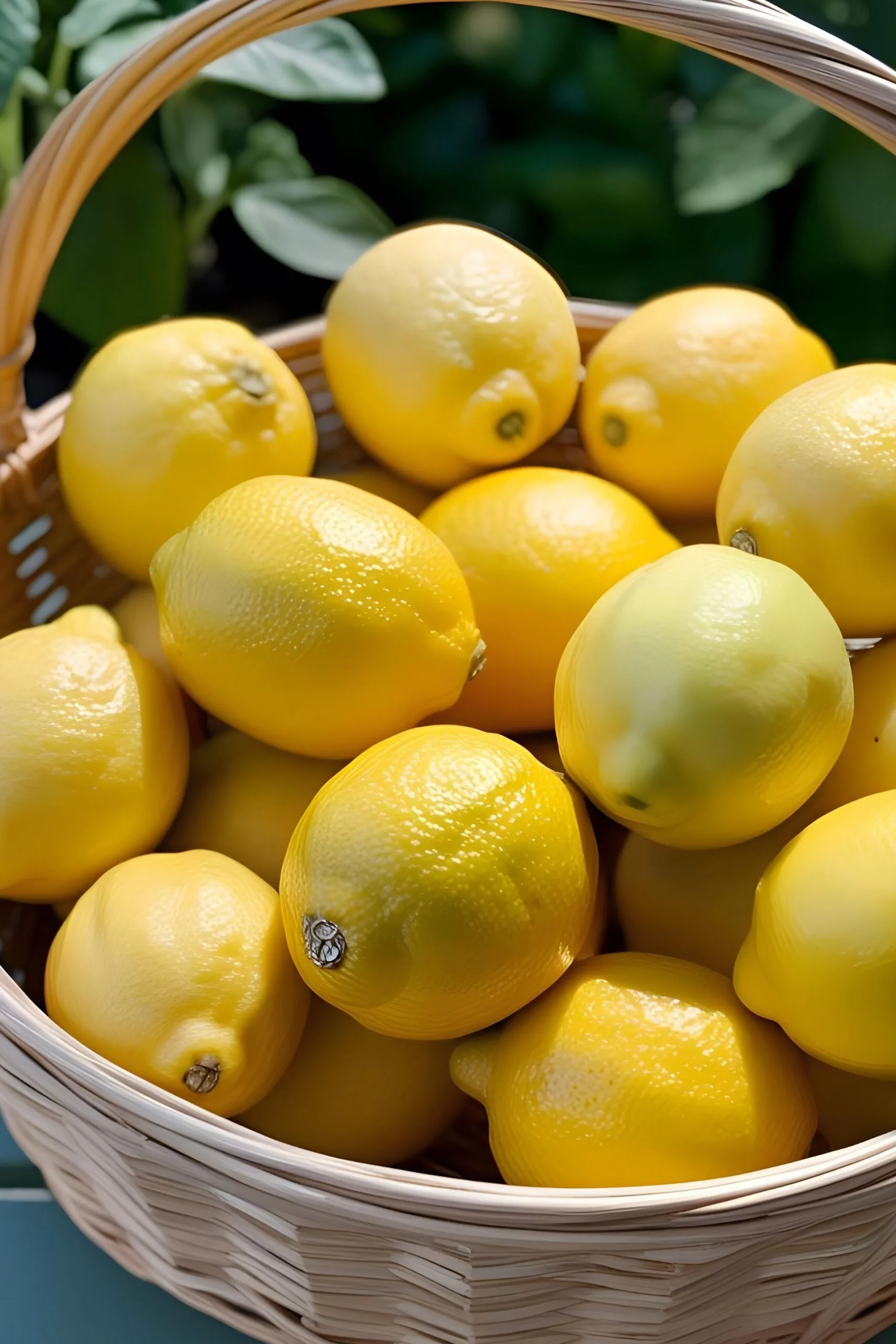
When it’s time to pick your fruit, do so promptly and carefully to avoid attracting bugs or contaminating it. Check your fruit for signs of damage as you pick it, and remove any affected fruit.
After that, taking care of your citrus trees with regular pruning, weeding around their bases, and watering will help keep them healthy and make it easier to spot stink bugs (or other pests) as early as possible.
Are stink bugs harmful to humans?
Thankfully, stink bugs aren’t dangerous to humans — they don’t bite, sting or spread disease. The worst they’ll do is release a foul odour when disturbed, which is why most people prefer not to squash them.
In rare cases, handling them can cause mild skin irritation or trigger light allergy symptoms in sensitive individuals, but for most people, they’re simply a nuisance.

