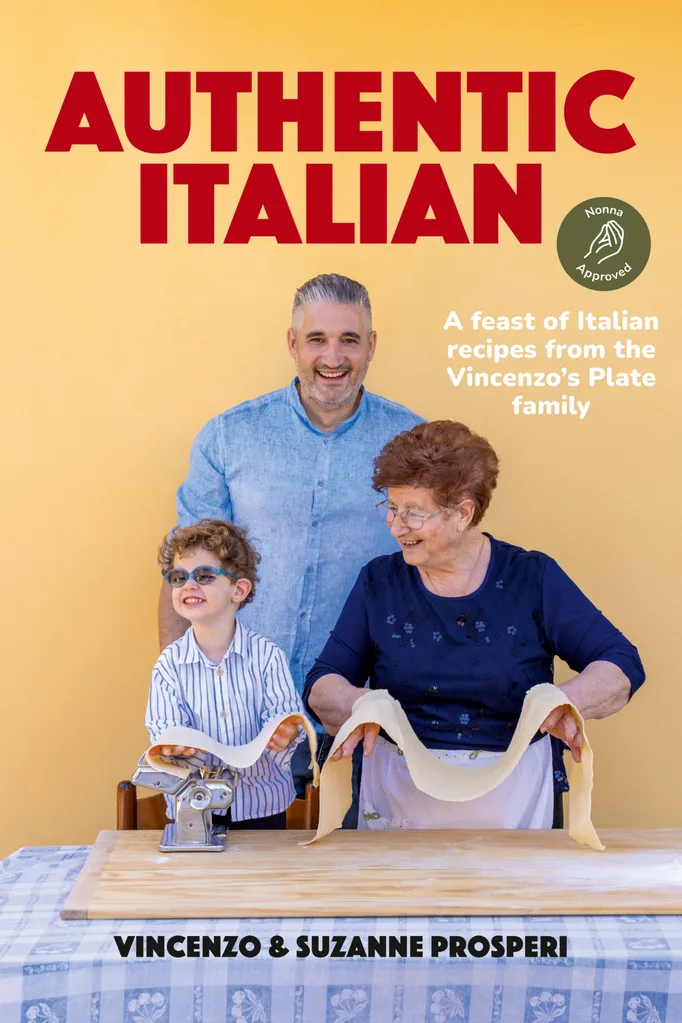

 (Photography: Effi Tsoukato, Recipes: Vincenzo & Suzanne Prosperi)
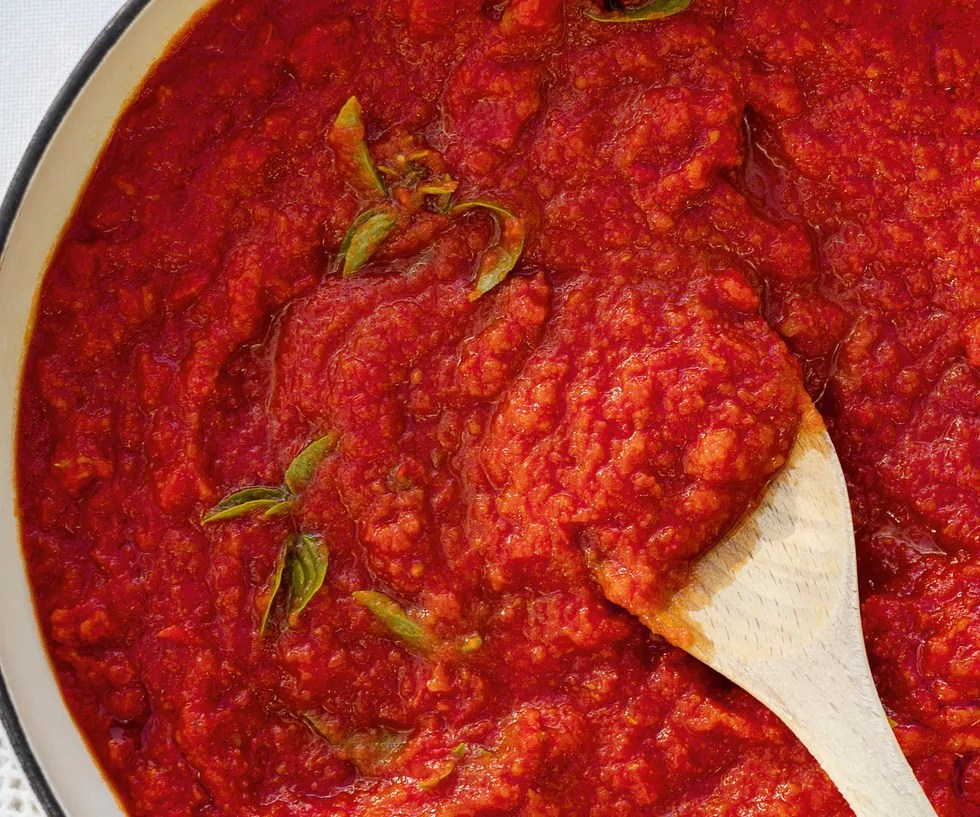
Every family has their own twist on this beloved, household staple. Some opt for the boldness of onions, while others swear by the aromatic allure of garlic. But for us, simplicity reigns supreme. Inspired by the teachings of Nonna Igea, Vincenzo crafted a fresh interpretation that has become the beating heart of our kitchen.

Ingredients
Method
For the soffritto, blend the carrot, onion, celery, and about 3 tablespoons extra virgin olive oil and 1 splash of water until thick and creamy, like a velvety purée.
Add 3–4 tablespoons oil and 1 tablespoon water to a pot, then pour in the soffritto. Place on low heat, stirring gently to cover the base. Cover with a lid and simmer, stirring often with a wooden spoon to prevent burning, for 7–10 minutes or until it glistens and the vegetables become tender.
Meanwhile, if you are using chopped or peeled tomatoes, blend them so they break down and create a thick consistency.
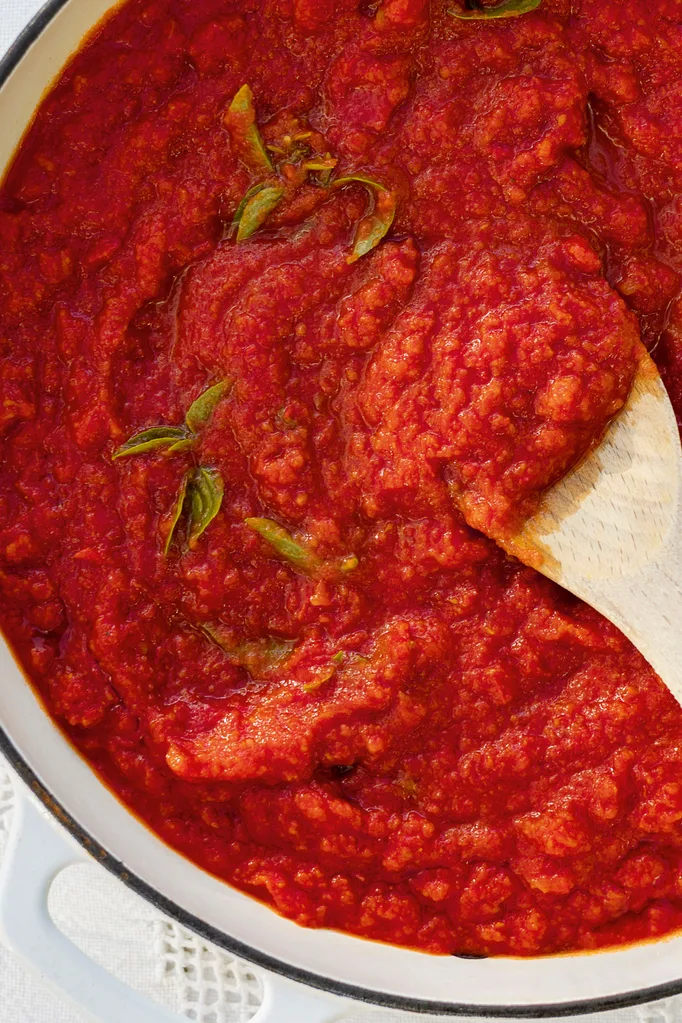
When the soffritto is ready, mix the passata (or blended tomatoes) through and combine using a wooden spoon. Sprinkle in rock salt and a pinch of black pepper, then mix through. Cover and simmer on low heat for 1 hour, stirring occasionally. Remove the lid and simmer for another 30–45 minutes, or until it thickens to your preference. Turn off the heat. Tear the basil and add it to the sauce while still hot, allowing it to infuse.
Bring a large pot of water to a rolling boil, add rock salt, allow to dissolve and then cook your pasta according to packet instructions. Once al dente, reserve 1/2 mug pasta water, then drain the pasta. In a separate pan on medium-low heat, add a ladle or two of sugo, then add the pasta with a splash of pasta water, and toss to thicken. Add another ladle or two of sugo to your preference in the pan and toss again, adding more pasta water only if needed. To garnish alla Vincenzo, sprinkle with grated Pecorino (or Parmigiano) and basil.
Cook’s tips:
Source the highest quality passata or canned tomatoes you can. In this case, Italian is best. If you can’t, you might want to hunt down the freshest, farm-grown tomatoes you can and make your own passata. The basil leaves are only to be added at the end. If they’re cooked too long, they’ll lose their fragrant charm. Freeze leftover sugo for up to six months in clean, airtight jars (just don’t overfill). To thaw, place in the fridge overnight or in a bowl of hot water. Once the sugo starts to melt, pour it into a pan and heat gently.
Buy the Authentic Italian cookbook
If you want the Authentic Italian cookbook, grab it on Amazon, or at Big W.